The Role of Nursery Schools in Shaping Social Skills in Children
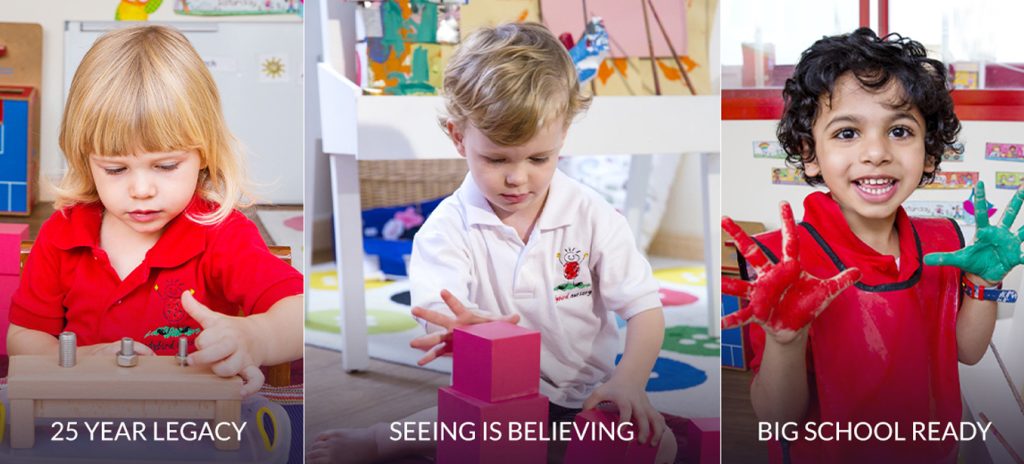
Nursery schools play a crucial role in the early development of children, particularly when it comes to fostering social skills. During a child’s formative years, they learn to interact, communicate, and establish connections with others, and nurseries provide an ideal environment for such growth.
Through structured activities, group interactions, and guidance from trained educators, a nursery Jumeirah creates opportunities for children to develop essential social competencies that lay the foundation for future relationships and societal interactions.
Building Communication Skills
One of the primary contributions of nurseries is the development of communication skills. At this tender age, children begin to explore language, express emotions, and articulate their needs. Nursery schools often encourage group discussions, storytelling sessions, and activities where children are required to verbalize their thoughts. These practices help children overcome hesitations and build confidence in expressing themselves clearly.
Encouraging Teamwork and Cooperation
Nurseries are also instrumental in teaching teamwork and the importance of cooperation. By engaging in group activities such as shared games, art projects, or problem-solving exercises, children learn how to collaborate, share resources, and work toward common goals. These experiences teach children the value of patience, empathy, and supporting peers, which are critical for healthy relationships later in life.
Promoting Emotional Intelligence
Another significant area where nurseries contribute is the development of emotional intelligence. Being in an environment with peers allows children to observe and understand different emotions, such as happiness, sadness, frustration, or excitement. Teachers and caregivers guide children on how to respond appropriately to emotions, both their own and those of others. This ability to recognize and manage emotions equips children with tools to form meaningful connections.
Cultivating Problem-Solving Abilities
Conflict resolution and problem-solving are vital aspects of social interaction, and nursery schools often provide controlled environments where children can develop these skills. Whether it’s resolving a disagreement over toys or finding solutions during collaborative tasks, children are encouraged to communicate and think critically to resolve issues, under the supervision of understanding educators.
A Foundation for Lifelong Skills
The social skills children acquire in nursery schools are not just necessary for childhood but serve as a foundation for navigating various social environments in adulthood. Early exposure to structured social interactions equips children with the tools to build relationships, adapt to group settings, and approach challenges with a collaborative mindset.