A Look Into The Future Of Shuttle Services
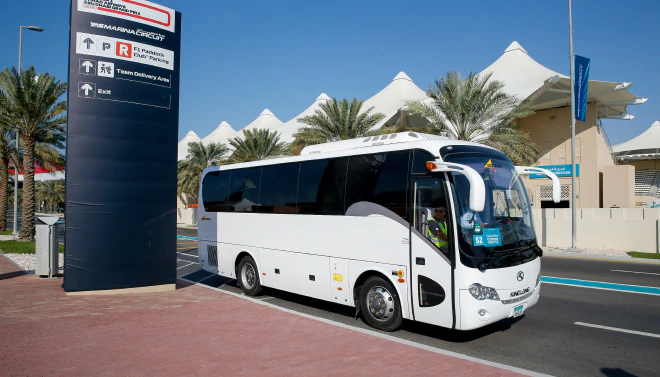
Shuttle services have been an integral part of transportation for decades. From ferrying passengers within airports to providing convenient and affordable rides for commuters in cities, shuttles have proven to be a reliable mode of transportation.
However, with the rapid advancements in technology and changing consumer preferences, the future of shuttle services is set to undergo significant transformations. In this article, we will take a closer look at what the future holds for shuttle services.
Digital booking and real-time tracking
One direction for shuttle services Dubai is a stronger focus on digital platforms. Bookings are already available through websites and mobile apps, but future systems may allow for faster updates, route changes, and more personalised experiences. Real-time tracking through apps is already growing and could soon become a basic part of every ride, giving passengers live updates on pick-up times and trip duration.
Shared mobility solutions
Group transport is gaining attention due to changes in how people move between cities or within urban areas. Shared shuttle rides are expected to increase in demand as more individuals seek simple and cost-efficient ways to travel. The use of scheduling tools may create more accurate timetables and fewer delays, even when sharing rides with others.
Eco-friendly transport options
Environmental awareness is affecting nearly every transport service. Electric vehicles and hybrid shuttles are beginning to enter the market. As fuel costs shift and rules around emissions grow stronger, the shuttle industry may include more energy-saving vehicles. This may result in cleaner rides with less noise, without changing the experience for passengers.
Customised on-demand services
The future may also bring more on-demand shuttle services that respond quickly to bookings rather than running fixed schedules. This flexible model would allow vehicles to adjust their routes in real time depending on passenger requests, making it easier to match transport with daily essentials. Artificial intelligence and data analysis may play a part in shaping these vigorous schedules.
Accessibility and passenger comfort
Improving accessibility is another step forward. More shuttle vehicles are likely to include features for people with mobility issues, while interior changes may create a more comfortable environment for all passengers. This could include better seating, wider doors, and easier luggage handling.
Integration with other modes of travel
Shuttle services may also connect more directly with airports, train stations, or ferry terminals in the future. This type of transport network may help passengers complete their full journey using fewer transfers or delays. This could lead to better experiences during both short and long-distance travel.